YouTube's New Era: Why Creator-Led Advertising is Reshaping Digital Growth
Published by Spinutech on July 22, 2026
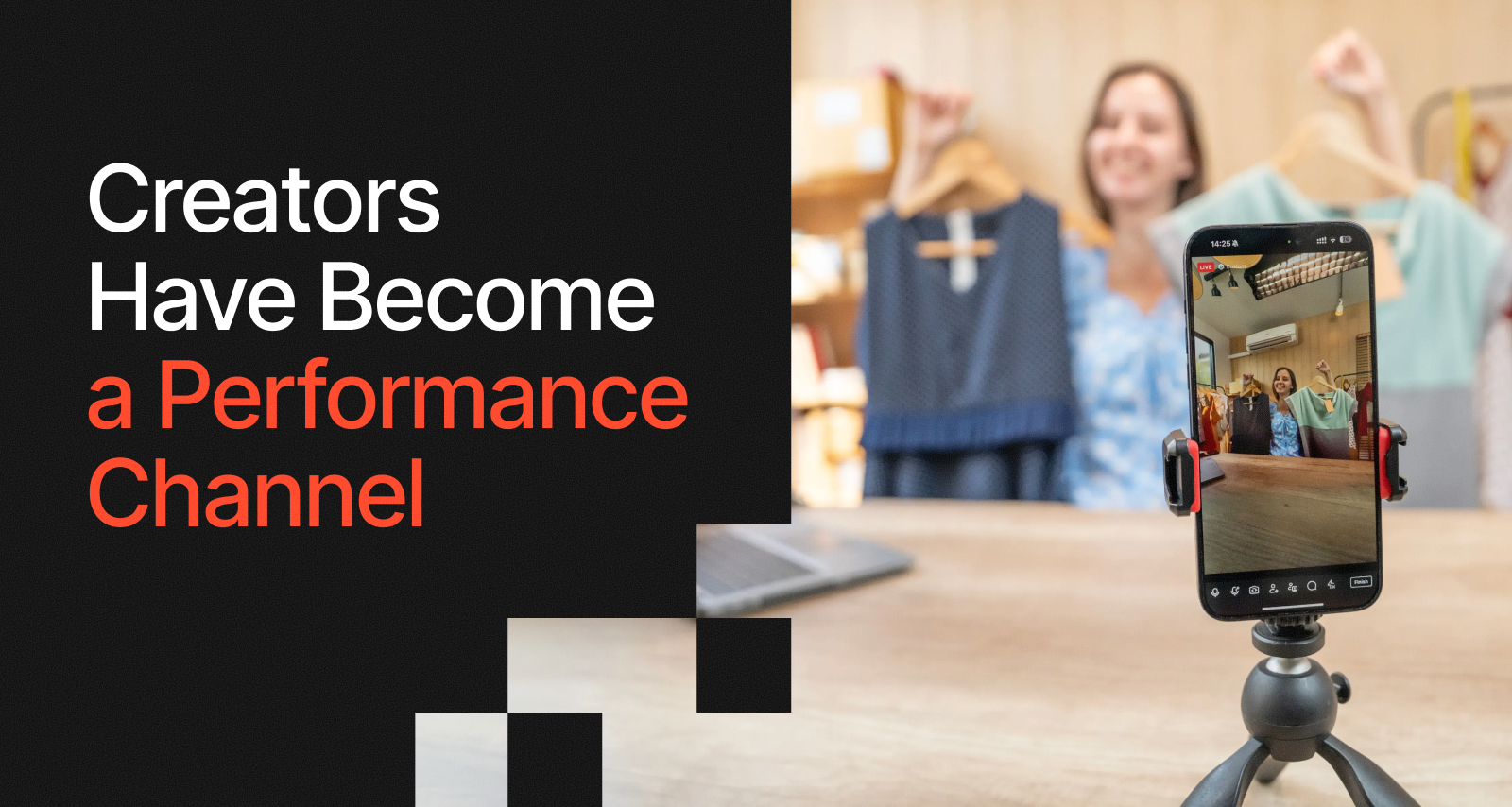
Marketers can no longer treat YouTube as just another place to run video ads.
YouTube has become a creator-powered entertainment, search, community, and commerce platform, and that shift is changing how brands build measurable growth.
The old model was simple: Produce an ad, target an audience, measure views, and move on. But today’s YouTube requires a more connected strategy.
Audiences are watching creators on mobile devices, desktops, and increasingly on television screens. They are discovering products through entertainment, learning from trusted voices, and moving between content, search, and purchase behavior in the same ecosystem.
For growth-focused brands, the opportunity is not simply to spend more on YouTube.
It is to use YouTube more strategically.
Creators Have Become a Performance Channel
Creators influence buying decisions because audiences trust them before they ever encounter a brand’s ad. That trust is built through consistency, subject-matter expertise, entertainment value, and direct community engagement.
This is why creator-led advertising is becoming a core media strategy. A creator partnership can introduce a brand through a voice the audience already knows. When that content is amplified through paid media, it can support both awareness and conversion goals.
YouTube’s own creator economy data reinforces the scale of this shift. According to YouTube’s 2025 U.S. Impact Report, based on Oxford Economics research, YouTube’s creative ecosystem contributed more than $60 billion to U.S. gross domestic product and supported more than 540,000 full-time equivalent jobs in 2025. The creator economy is no longer a side channel. It is a business ecosystem with measurable economic weight.
The strongest campaigns do not interrupt the viewing experience. They fit naturally into it.
Creator Selection Requires More Than Reach
The hardest part of creator-led advertising is not finding creators. It is finding the right creators for the brand, audience, message, and business goal.
Follower counts and average views only tell part of the story. A creator with a smaller, more relevant audience may outperform a larger creator whose content does not match the brand’s category, offer, or tone.
Brands should evaluate creator partnerships using factors such as:
- Audience relevance
- Brand safety and suitability
- Content format and storytelling style
- Historical engagement and conversion signals
- Category credibility
- Cultural context
- Long-term partnership potential
- Paid media amplification potential
This is where creator marketing starts to look much more like performance media. The decision should be informed by data, tested through structured campaigns, and optimized over time.
A creator is not just a distribution channel. A creator is a strategic partner whose audience relationship can shape how the market understands your brand.
YouTube Is Moving Into the Living Room
YouTube is no longer only a mobile or desktop viewing habit. It is becoming a major television-screen platform.
Nielsen reported that YouTube represented 12.4% of U.S. television watch time in April 2025, making it the leading media distributor in Nielsen’s Media Distributor Gauge for the third consecutive month. Google has also reported that, as of 2025, more than 50 of YouTube’s global top 100 channels by watch time had television as their most-watched screen.
That matters for advertisers because the context of viewing changes the role of the platform. A person watching a long-form creator video on a television is often in a different mindset than someone scrolling short-form clips on a phone.
Brands should think about YouTube as both a digital performance channel and a connected TV environment. That means planning for:
- Longer viewing sessions
- Higher-quality creative
- Sequential messaging
- Creator integrations that feel native to the content
- Measurement that connects awareness, engagement, and downstream action
The line between streaming, television, and social media is getting thinner. YouTube sits directly at that intersection.
Creator-Led Campaigns Work Best When They Are Integrated
The biggest YouTube opportunity is not isolated creator content. It is an integrated system that connects creator partnerships, paid media, landing pages, search behavior, and measurement.
When each channel operates independently, brands struggle to understand what actually drives results. A creator video may generate interest. Paid media may scale reach. Search may capture demand. A website experience may convert the audience. But if those pieces are not connected, the campaign loses learning value.
A stronger approach connects the full path:
- Identify the audience and business goal.
- Select creators based on fit, not reach alone.
- Build content that matches the creator’s voice and the brand’s message.
- Amplify high-performing content through paid media.
- Align landing pages and conversion paths with the campaign message.
- Measure performance across awareness, engagement, traffic, leads, and sales.
- Use the results to improve the next campaign.
That is where compounding growth happens. Each campaign should make the next one smarter.
The Future of YouTube Marketing Is Systematic
YouTube’s next era will reward brands with disciplined systems, not just large budgets.
Creators will continue shaping entertainment and commerce. Connected TV viewing will continue changing how people experience YouTube content. Artificial intelligence will continue improving how advertisers discover audiences, evaluate creative, and optimize campaigns.
But tools alone will not create better outcomes. Brands need a clear strategy for testing, measuring, and improving over time.
Let’s talk about what a clear strategy would look like for your brand.