4 Ways to Scale Hyper-Personalized Experiences in 2026
Published by Spinutech on December 8, 2025
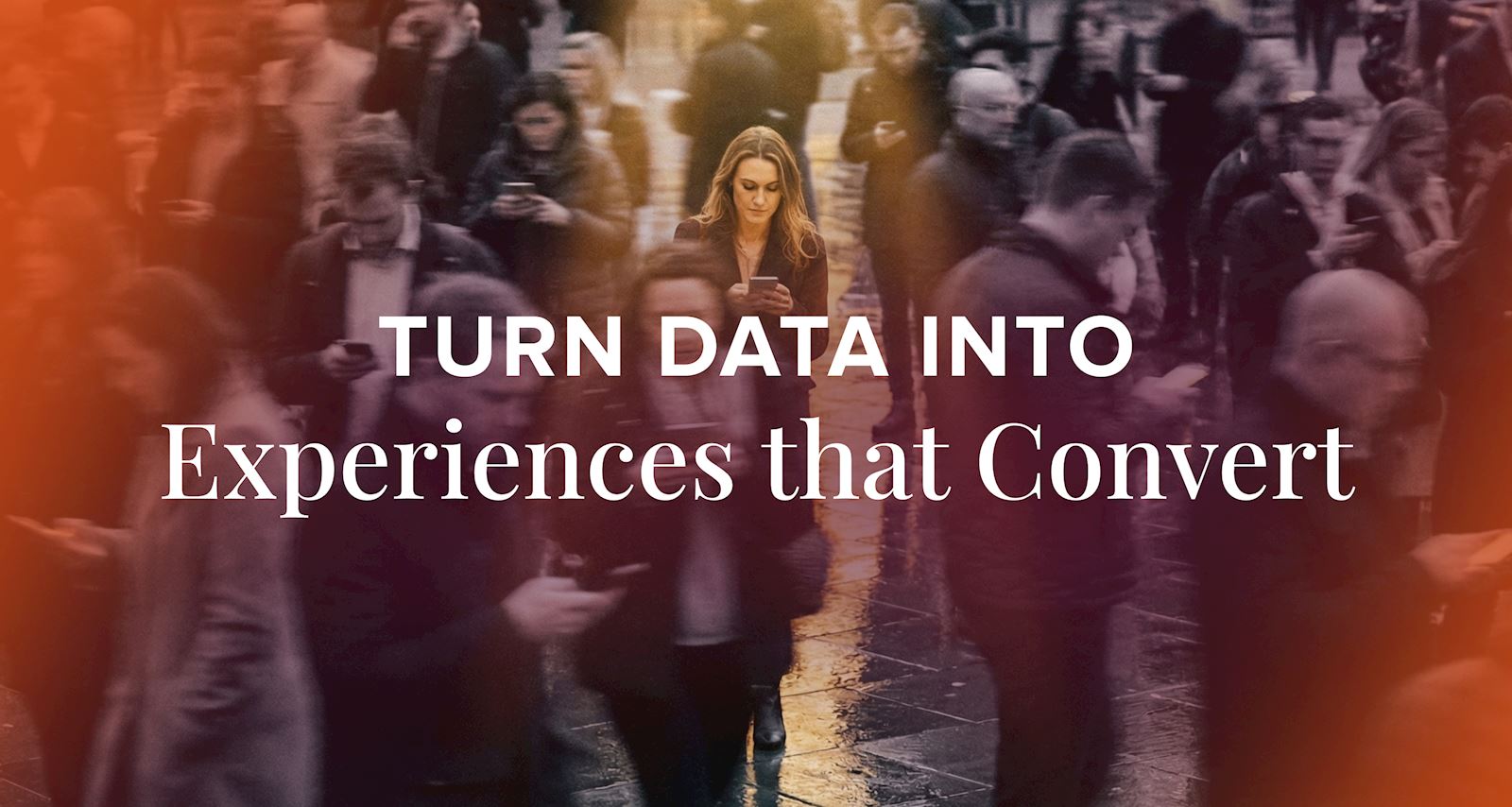
Personalization used to mean adding a first name to an email.
In 2026, that definition is obsolete.
Today’s audiences expect experiences that adapt to them. Content that reflects their needs, timing, and context in real time. Hyper-personalized marketing goes beyond segmentation to create dynamic, data-driven journeys that evolve as users engage.
The brands that win in 2026 won’t just personalize messages. They’ll orchestrate experiences, using data and AI to anticipate what customers need next — and deliver it at scale.
From Personalization to Predictive Experience Design
Hyper-personalization combines first-party data, behavioral analytics, and AI to tailor experiences at every stage of the customer journey.
Instead of static campaigns, brands are building systems that:
- Respond to real-time behavior
- Adjust messaging across channels
- Predict next best actions
This shift is fueled by three forces:
- Greater access to first-party data
- Advances in AI and machine learning
- Rising expectations for relevance and ease
The result is a move from reactive marketing to predictive experience design, where personalization is continuous, contextual, and measurable.
Why Hyper-Personalization Matters in 2026
Deeper Engagement and Stronger Relationships
When content aligns with real needs and intent, engagement rises. Hyper-personalized experiences feel less like marketing and more like guidance, building trust over time.
Higher Conversion Rates and Shorter Sales Cycles
Personalized sequencing improves lead nurturing by delivering the right message at the right moment. This reduces friction, accelerates decision-making, and increases conversion efficiency.
Decision Intelligence at Scale
Every personalized interaction generates insight. When captured and analyzed, this data fuels decision intelligence, allowing teams to optimize content, campaigns, and experiences in real time.
More Efficient Use of Marketing Investment
By focusing resources on what resonates most, organizations reduce waste and increase the return on experience-driven strategies.
4 Ways to Win with Hyper-Personalized Marketing in 2026
1. Invest in AI and Machine Learning Platforms
AI makes personalization scalable.
- Analyze behavior patterns in real time
- Predict next best actions
- Recommend content, offers, or pathways automatically
2. Design Experiences That Adapt in Real Time
Move beyond static assets.
- Build dynamic landing pages and emails
- Adjust messaging based on behavior and intent
- Ensure consistency across digital touchpoints
3. Consolidate and Connect Your Data Ecosystem
Fragmented data undermines personalization.
- Unify CRM, marketing, analytics, and product data
- Establish a single source of intelligence
- Enable more accurate segmentation and insights
4. Capture and Activate First-Party Data Strategically
First-party data is the foundation of trust-based personalization.
- Build richer customer profiles over time
- Enrich data with behavioral and contextual signals
- Ensure every interaction informs the next
The Bottom Line
In 2026, personalization is infrastructure.
Brands that treat hyper-personalization as a connected system — powered by AI, fueled by first-party data, and guided by intelligence — will deliver experiences that feel effortless and relevant.
Those that don’t will struggle to be heard in a crowded, expectation-driven landscape.